I remember the cold sweat I broke out in when I realized my shop’s map pin had basically been evicted from the neighborhood. I was standing in the middle of my quiet storefront on a rainy Tuesday, frantically refreshing my phone. Just two weeks earlier, we were the first name anyone saw for “best repair shop nearby.” Now? We were nowhere. I scrolled past competitors I knew had half my reviews and zero personality, feeling like I had been erased from the digital world. My first instinct was to reach for my credit card and buy every “high-authority backlink” package I could find. I thought I needed more digital muscle to force my way back in. I was dead wrong. That panic almost led me down a path of burning money on links that Google doesn’t even care about for local maps, and I want to make sure you don’t make that same expensive mistake. [IMAGE_PLACEHOLDER]
The Day My Shop Stopped Showing Up for Neighbors
It is a gut-wrenching feeling when your rank tracker starts giving you a false sense of security by showing you rank for obscure terms while your foot traffic is actually hitting zero. I realized that the “Map Pack” isn’t about who has the most links from random blogs; it’s about trust and local relevance. Why does this matter right now? Because Google’s proximity filters are getting tighter, and if your data is messy, you are out. I spent weeks chasing the wrong metrics, thinking I needed a massive SEO agency budget. In reality, I just needed to fix the basics I had neglected while chasing shiny objects. Have you ever checked your own shop’s visibility from just a block away and realized you’re invisible? It happens more than you think.
Can you actually outrank the big guys without a link budget?
People told me I was crazy to think I could compete. They said the corporate chains with their million-dollar budgets and massive link profiles would always win. But here is the truth: local maps are designed to help local people find real solutions. My biggest mistake early on was thinking I could ignore the messy citation overlap that was quietly confusing the algorithm. I had three different phone numbers listed across various old directories and I didn’t think it mattered. It mattered a lot. According to a comprehensive local search ranking study by Whitespark, Google Business Profile signals and on-page signals are significantly more impactful for the Map Pack than traditional link building. You don’t need a backlink farm; you need a clean house. I started using a citation monitor to find every ghost of my old business address and fixed them one by one. Suddenly, the map pin started moving again.
Stop trusting your office Wi-Fi rankings
I used to sit at my desk, type my service into Google, and smile because I saw my shop at the top. I thought I was winning. Then I took a ten-minute walk to the local coffee shop, searched again, and my heart sank. I wasn’t even in the top ten. This is the proximity trap. Most business owners are flying blind because why your rank tracker misses the local grid changes that actually matter is often due to it only checking from one static location. You need to see the ‘heat map’ of your city. If you are green at your front door but red two blocks away, you don’t have a link problem; you have a proximity and relevance problem. I had to stop looking at average positions and start looking at the specific corners of my neighborhood where I was losing ground. 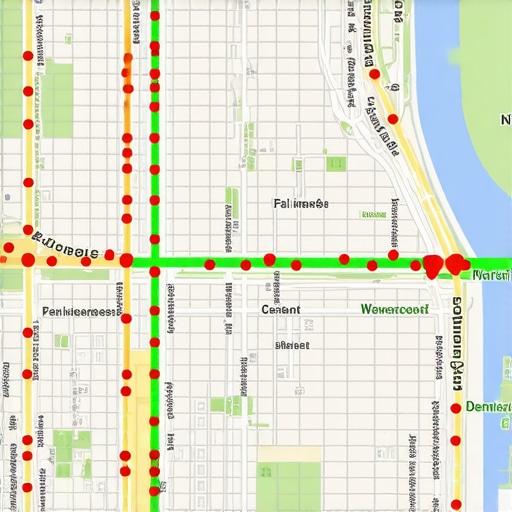
Hunt down the duplicate data killing your trust
Think of your business data like a digital fingerprint. If Google sees three different fingerprints for the same person, it gets suspicious and hides the results. I remember spending a grueling Saturday afternoon manually searching for my old business name. I found an old Yelp page from five years ago with a typo in the zip code and a random ‘Yellow Pages’ clone that had my old cell phone number. It seemed small, but it was like a leak in a boat. I eventually learned how we cleaned up 45 messy business listings without buying another subscription, and the results were almost instant. The moment the algorithm saw one consistent ‘NAP’ (Name, Address, Phone) across the web, my map pin stabilized. You can’t build a skyscraper on a swamp; you have to drain the data mess first.
Turn your review section into a local lead magnet
Most people think review management is just about getting five stars. It’s not. It’s about keywords and consistency. I once had a customer leave a glowing review about our ‘fast brake repair,’ and I replied with a generic ‘Thanks for the business!’ I missed a huge opportunity. Now, I use review management tools that transform customer feedback into revenue by helping me weave local keywords naturally into my responses. When someone mentions your specific neighborhood or a specific service, and you acknowledge it, you are feeding the algorithm exactly what it wants: proof that you are a real, active business in that exact spot.
Use real data to stop the guessing games
Once the house is clean, you have to watch the right dials. I used to obsess over ‘impressions,’ which is basically just how many people saw my pin while scrolling for something else. It’s a vanity metric. I shifted my focus to maps analytics insights to boost your local map visibility that actually show intent, like ‘Request Directions’ or ‘Click to Call.’ I found that a spike in directions from the north side of town meant my local landing pages were working, while a drop in calls usually meant a competitor was out-pacing me with fresh photos. You have to treat your map profile like a living breathing storefront, not a ‘set it and forget it’ directory listing.
Why more reviews won’t save a dying map pin
I used to think that the business with the most gold stars won the game. It’s the most common trap in the industry: chasing a massive review count while ignoring the quality of the engagement. I’ve seen shops with 500 five-star reviews get absolutely crushed in the rankings by a competitor with only 40. Why? Because the algorithm has evolved past raw numbers. Google is now looking at review velocity and, more importantly, how you interact with that feedback. If you are just a passive observer, you are wasting your biggest ranking lever. I found that how a specific review response style actually stops your customers from churning is also exactly what signals to the Map Pack that you are a relevant, high-authority entity. Most people get review management tools just to automate the ‘thank you’ notes, but that’s a massive mistake. You need to be using those tools to identify the specific services people are praising and double down on those keywords in your own responses.
The proximity myth that keeps your shop invisible
Everyone says you need to rank for your entire city. In my experience, that’s a recipe for a burned budget and zero results. The ‘proximity filter’ is more aggressive than ever. If you are trying to rank ten miles away but your data hygiene is messy in your own zip code, Google will view you as a low-trust result. I’ve had business owners tell me their rank tracker is giving you a false sense of security because it shows them at #1 for a specific term, but that’s only true for the person standing in their lobby. You have to understand why your proximity is shrinking and the secret to ranking in the next town over isn’t about more backlinks—it’s about hyper-local relevance. If you aren’t seeing the ‘grid’ of your rankings across different street corners, you aren’t seeing the truth. 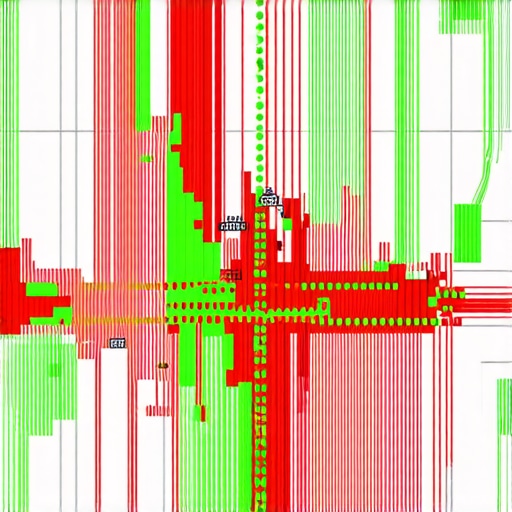
Can you actually force the algorithm to trust your data again?
Once you’ve been flagged for inconsistent data, the climb back is brutal. The ‘Oops’ factor here is the ‘Set it and Forget it’ mentality with citations. Most owners buy a citation bundle once and think they are done. But directories sync with each other, and one old utility bill with the wrong suite number can trigger a cascade of errors. This is why we stopped tracking total citations and started tracking this one accuracy metric instead. Quantity is a vanity metric; accuracy is a ranking factor. According to the 2024 Local Search Ranking Factors study by Whitespark, citation consistency remains a foundational ‘foundational’ factor that, while less powerful than reviews, can act as a ceiling on your rankings if ignored. You need to use a citation monitor that alerts you the second a third-party aggregator ‘corrects’ your address to an old version.
Stop chasing impressions and start tracking intent
The biggest nuance that local agencies won’t tell you is that why map impressions are a vanity metric if no one is clicking call. I’ve seen profiles with 10,000 views that generated two phone calls. This usually happens when you over-optimize for broad terms and end up showing for people who aren’t actually looking to buy. I had to learn how to run a local seo audit without getting overwhelmed by vanity metrics by focusing strictly on ‘Map Actions.’ If your maps analytics insights to boost your local map visibility are showing a spike in views but a flatline in direction requests, your profile is likely appearing for the wrong intent. Have you ever fallen into this trap of celebrating ‘reach’ while your phone stays silent? Let me know in the comments below; I’d love to hear how you adjusted your strategy.Maintaining a top-three spot isn’t a trophy you keep; it’s a rental you pay for every month with consistency. I eventually realized that manually checking 50 directories was a death sentence for my productivity. I had to lean into local seo software that didn’t just dump data but told me what to fix first. I use a citation monitor because the internet is surprisingly chaotic—competitors can ‘suggest an edit’ on your profile to list you as ‘closed,’ and if you don’t catch it instantly, your phone stops ringing.
The tool stack that actually keeps my doors open
I don’t believe in buying every shiny new gadget, but a reliable rank tracker can skyrocket your local rankings in 2025 if it allows you to see the grid from a mobile perspective. If your software only checks from one ZIP code, you are missing the street-level battles. I also shifted my focus to review management tools that transform customer feedback into revenue by alerting me to negative sentiment before it hits the public feed. It’s about building a defensive wall around your reputation. 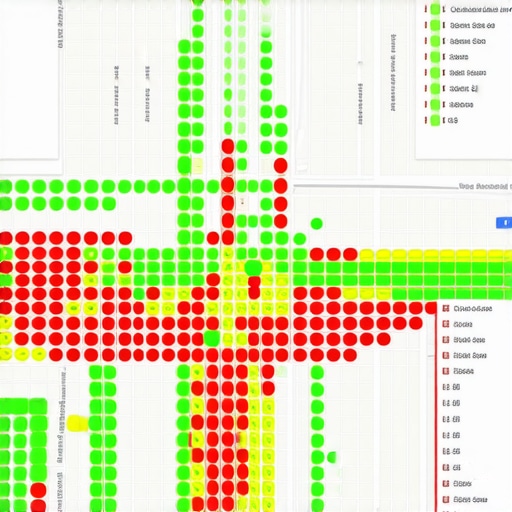
Stop the slow data decay before it kills your traffic
Your digital footprint naturally degrades over time. New mapping apps launch, old directories merge, and suddenly your suite number is missing on half the web. I learned the hard way that the authority settings most business owners ignore until their traffic drops are usually buried in the ‘Advanced’ tab of their profile. You need to be checking your maps analytics insights to boost your local map visibility at least once a week to spot these trends. According to Joy Hawkins of Sterling Sky, even small changes in the ‘Services’ section of your profile can trigger unexpected ranking fluctuations, meaning you need to treat your GBP like a live social media feed rather than a static yellow-page ad.
How do I keep my map rankings consistent over time?
The secret is a ‘rhythm of relevance.’ I spend 15 minutes every Friday uploading one high-quality photo of our actual work and responding to the week’s reviews. I also use a tracking glitch check to ensure my data isn’t being skewed by bot traffic. Looking ahead, I predict that Google’s Search Generative Experience (SGE) will start weighing video reviews and ‘verified’ owner photos much more heavily than simple text. The era of ‘set it and forget it’ SEO is officially dead. If you want to scale, you need to turn your customers into your best content creators. My challenge to you: Log into your profile today and find the ‘Secondary Categories’—adding just one specific niche category you currently serve could be the move that reclaims your spot in the next town over.
What My Most Expensive Ranking Failures Taught Me
Looking back at the years I spent fighting for the top spot, the biggest realization wasn’t a technical trick; it was that Google trusts consistency more than it trusts raw power. I spent thousands on backlinks when I should have spent fifteen minutes a week on basic hygiene. One of the hardest pills to swallow was learning that why your rank tracker is giving you a false sense of security usually comes down to it ignoring the tiny data errors that human customers see instantly. I also learned that you cannot out-spend a proximity issue. If you haven’t grasped the proximity paradox, you will keep wasting money on broad ads that never reach the person standing right outside your door. Finally, automation is a double-edged sword. While I love efficiency, I found that why most review management tools fail is because they strip away the human voice that the local algorithm actually craves.
The Only Tools That Actually Stay in My Local SEO Kit
I have tested dozens of platforms, and my current stack is focused on precision rather than noise. First, I never skip checking the annual Local Search Ranking Factors study by Whitespark; it’s the closest thing we have to an industry Bible. For daily protection, I rely on a citation monitor to act as a digital watchdog against data decay. I also trust review management tools that don’t just aggregate stars but help me identify which service keywords are driving the most traffic. Lastly, I suggest using rank tracker settings that allow for hyper-local grid views, so you aren’t guessing what people see from the street corner.
Your Shop Deserves to Be the Local Favorite
The digital landscape changes, but the core of local business remains the same: being the most reliable option for your neighbors. Don’t let the technical jargon of local SEO software intimidate you. It is all about building a clear, honest, and active digital presence. When you focus on maps analytics insights that show real human intent, the rankings will follow naturally. You have the tools and the knowledge now to stop being invisible. Go claim your spot in the local pack and show your community why you are the best at what you do. Have you ever found a weird duplicate listing for your business that you didn’t create? Let me know in the comments below!