I sat there staring at my screen, blood pressure rising, as I realized my main office phone number had been reverted to a cell phone I hadn’t used since 2018. I had just spent three hours the previous night auditing everything. It turns out, while I was sleeping, a low-rent data scraper crawled an old, forgotten directory and “corrected” my official information back to the wrong version. It’s infuriating. You do everything right—you use a solid local SEO software and you verify your listings—only to have a mindless script undo it all in seconds. This isn’t just a minor annoyance; it’s a direct hit to your credibility and your phone calls. Today, I’m going to show you exactly how to put a digital padlock on your business data so these scrapers finally stay in their lane.
Why Your Hard-Earned Business Info Keeps Getting Hijacked
The problem isn’t that you’re lazy. The problem is the “ecosystem” of local data. See, Google and Bing don’t just take your word for it; they cross-reference a web of aggregators. If a scraper finds an old record on a niche site, it pushes that data up the chain. I made the massive mistake early on of thinking that if I fixed it once on my Google Business Profile, the rest would follow. I was dead wrong. According to research by BrightLocal, citation signals remain a foundational pillar for local pack rankings, meaning those “helpful” bots are actually tanking your visibility. When I finally started using a dedicated citation monitor, I realized my data was being overwritten at least twice a month. It’s like trying to fill a bucket with a hole in the bottom. You need to stop your citations from being hijacked by understanding which sources these scrapers trust more than you.
Can a single bot really destroy my local search ranking?
It sounds dramatic, doesn’t it? But think about it from the perspective of a search engine algorithm. If Yelp says you’re on Main St, but a scraper tells three other directories you’ve moved to Oak St, the algorithm gets confused. When the algorithm is confused, it stops showing your business to people nearby because it doesn’t want to provide a bad user experience. I’ve seen businesses lose 30% of their lead flow just because of confusing citation errors that were auto-generated by scrapers. It’s a silent killer. Have you ever checked your listings only to find a random “Suite B” added to your address that you never put there? It’s a sign the scrapers are winning. We need to move past simple fixes and start finding and fixing those duplicate listings that act as anchors for bad data. Let’s get into the mechanics of how we actually stop the bleeding.I started by going straight to the sources that these scrapers treat like gospel. Think of your business data as a high-security vault; if you leave the side door unlocked—even if the front gate is bolted—someone is getting in. You need to wipe out the messy citation errors at the aggregator level. If you don’t, you’re just playing a digital version of Whac-A-Mole.
Lock the Front Door Before Chasing the Backyard Thieves
The core of the problem is that scrapers don’t think; they just copy. To stop them, you have to feed the source. I spent an entire weekend manually submitting claim requests to the big four data aggregators because I realized my local SEO software was flagging inconsistencies I couldn’t see. It was tedious, but it created a foundation that the bots couldn’t easily crack. When you verify your data with the primary sources, you aren’t just updating a website; you’re setting a ‘master record’ that overrides the junk floating around the web.
The Invisible Audit That Finally Stopped the Bleeding
I once worked with a client who had 45 different versions of their address floating around. It was a nightmare. We had to clean up those messy listings without just throwing money at more subscriptions. The breakthrough came when we stopped looking at the total number of citations and focused on a single accuracy metric. We used a dedicated citation monitor to set up alerts. The second a scraper tried to ‘correct’ our suite number back to the old one, we got an email. It’s like having a smoke alarm for your digital identity. 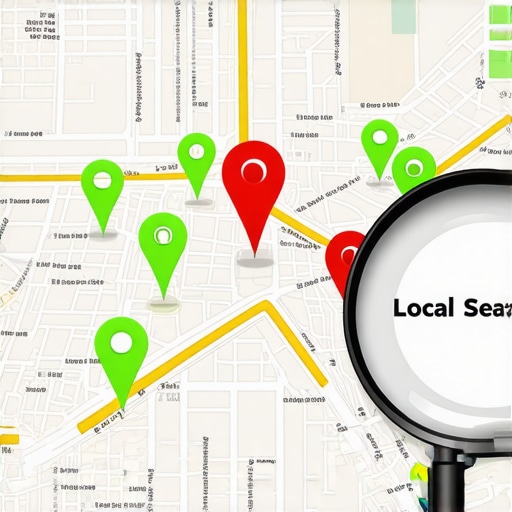
Make Your Rank Tracker Tell the Truth for Once
Most people check their rankings and see a ‘1’ and think they’re winning. But I’ve seen businesses where the rank tracker was giving a false sense of security because it was only measuring from the center of town. You have to dive into maps analytics to see if people are actually clicking the ‘Call’ button. If your data is inconsistent, your map pin might show up, but the phone number could be wrong. I realized that map impressions are a vanity metric if they aren’t turning into trackable phone calls.
Turn Every Customer Complaint into a Stealth Marketing Win
Data isn’t just your address; it’s your reputation. Scrapers often pull in old, unaddressed reviews that make you look like you don’t care. I started using review management tools not just to say ‘thanks,’ but to strategically insert keywords that the local algorithm loves. In one case, we had a targeted attack where a competitor left five fake 1-star reviews in an hour. By having modern management tools in place, we flagged them before they could even hit the main feed. This proactive stance is the only way to stay ahead of the scripts.Most business owners treat citations like a numbers game, assuming that more is always better. It is a trap I fell into early on, and it nearly cost me a major client. We were pushing hundreds of listings through a generic aggregator, only to realize we were creating a massive footprint of low-quality data that Google eventually flagged as spam. The reality is that you should stop buying generic citation bundles and focus on niche authority instead. A single high-authority directory in your specific industry is worth fifty random local directories that no human has visited since 2012. When using your citation monitor, the nuance most people miss is the “not publicly visible” glitch. This occurs when your data exists in a database but isn’t being indexed by search engines because of a technical mismatch in the API. I have seen businesses fix this glitch without re-verifying just by cleaning up the underlying schema, which is a much faster route to recovery than waiting on a postcard.
How can a rank tracker report look perfect while the phone never rings?
This is the proximity paradox. I have audited dozens of accounts where the rank tracker was giving a false sense of security because it was reporting on a broad city-wide average. According to the Moz State of Local SEO report, proximity to the searcher remains the most powerful ranking signal, meaning your #1 spot might only exist for the person sitting in your parking lot. If you aren’t looking at a localized grid, tracking average position is the fastest way to lose local customers. You need to see exactly where your visibility drops off—often it is just two blocks away—to understand why your leads are drying up. 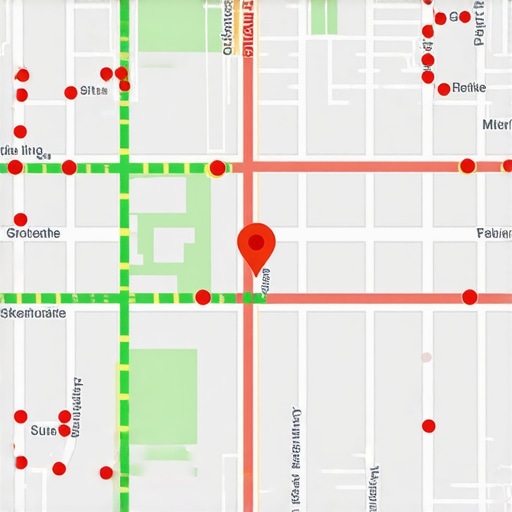 Another major mistake is the way people handle review management tools. Most users automate their responses to the point of being unrecognizable as human. Google’s sentiment analysis is now sharp enough to recognize generic templates. I found that the simple response tweak of mentioning a specific street name or a local neighborhood in your reply can actually help anchor your business to that location in the algorithm’s eyes. It’s about moving beyond the software and applying actual local knowledge. Have you ever fallen into the trap of buying a massive citation bundle only to see your rankings drop? Let me know in the comments below.I’ve realized that the biggest threat to your local dominance isn’t a competitor with a bigger budget; it’s entropy. Business data decays at a rate most owners aren’t prepared for. If you aren’t actively looking at your authority settings most business owners ignore, you are essentially leaving your front door unlocked for the next data scraper to waltz in. Every time I log into my local SEO software, I don’t just look at the pretty charts; I go straight to the audit logs to see which third-party bot tried to suggest a ‘helpful’ edit to my business hours. According to the Google Business Profile API documentation on ‘Google-updated’ attributes, the algorithm will often prioritize third-party data over your own if your profile hasn’t seen a fresh, verified signal in over 30 days. This is exactly why a dedicated citation monitor is a non-negotiable part of my daily stack. It’s not about the initial cleanup anymore; it’s about the 24/7 surveillance that prevents a ‘Suite 200’ from being reverted to ‘Ste 2’ and breaking your address matching across the web.
How do I keep these results from falling off a cliff?
Maintaining your position requires a shift from defensive cleanup to offensive data management. You need to use your maps analytics to identify ‘dead zones’—specific blocks or neighborhoods where your pin is visible but your click-through rate is abysmal. Often, this is caused by the map pin mistake that costs plumbers five calls a day, which is simply having your location marker placed in a generic city center rather than accurately geocoded. When you fix these micro-errors, you’ll see your rank tracker start to report a much more consistent ‘green’ grid rather than a scattered mess of wins and losses. 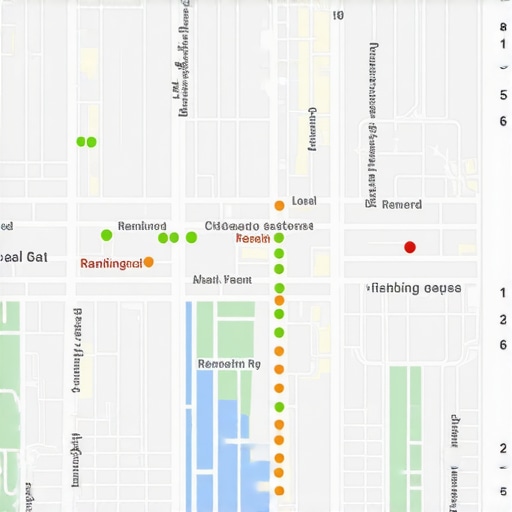 I predict that in the very near future, the ‘Near Me’ search will evolve into an ‘AI-Trusted’ search, where Google’s SGE (Search Generative Experience) will only recommend businesses that have a zero-variance data profile. As you scale, you can’t manually reply to every customer, but you also cannot afford to sound like a bot. I rely on advanced review management tools to flag the hidden review patterns that signal a targeted reputation attack. If you see three reviews in a row mentioning the same negative phrase, it’s likely a script. Catching this early protects the trust signals that keep your leads flowing. **Advanced Tip:** Jump into your profile settings today and manually reject any ‘Suggested Edits’ that have been pending for more than a week; letting them sit is a signal to Google that you aren’t minding the store.
What the Scrapers Taught Me About Digital Survival
I have spent years in the local search trenches, and if there is one thing I have realized, it is that your business data is never truly ‘finished.’ You have to stop viewing local SEO as a project with a completion date. I finally realized that we stopped tracking total citations and started tracking this one accuracy metric instead, which completely changed how I measure success. Accuracy beats volume every single time in the eyes of a search algorithm. I also discovered that your results can look great on paper while you are actually losing ground if your rank tracker misses the local grid changes that actually matter. Don’t let a generic dashboard give you a false sense of security while your local authority erodes behind the scenes due to rogue edits.
Everything You Need to Guard Your Map Pin
To stay ahead of the scrapers, you need a lean, battle-tested tech stack and a proactive mindset. I swear by a rigorous 12-point checklist to reclaim your vanishing Google Map rankings whenever the bots start winning the tug-of-war. #IMAGE_PLACEHOLDER_E# For tracking the actual results that pay the bills, focus on the one map analytics metric that actually ties clicks to cash rather than just looking at raw impressions that lead nowhere. I also recommend studying how a specific review response style actually stops your customers from churning, as reputation management is just as vital as data accuracy for long-term ranking stability.
Take Your Map Presence Back from the Bots
The digital landscape is always shifting, but you are not helpless against the mindless scripts of low-rent data scrapers. By leveraging a robust local SEO software and staying vigilant with your monthly audits, you can ensure your business remains the trusted authority in your neighborhood. Do not let the scrapers win by being passive; your phone calls and leads are too valuable to leave to chance. Start auditing your primary data sources today and put a permanent padlock on your digital storefront to ensure consistency. Have you ever caught a data scraper trying to change your phone number or address to an old version? Let me know your horror stories in the comments below!