I remember staring at my screen at 2 AM, the blue light stinging my eyes as the realization finally hit: I was my own worst enemy. There I was, wondering why my phone hadn’t buzzed in days, only to find my business listed with three different phone numbers across five different sites. One listing had my old office address from 2019, another had a typo in the zip code, and a third didn’t even have my website link. It felt like I was trying to run a marathon with my shoelaces tied together. I wasn’t just losing customers; I was handing them to the guy down the street on a silver platter. I had spent so much time on fancy logos that I’d completely neglected the bedrock of local search.
Stop Letting Small Typos Rob You of Local Customers
Most of us assume that a missing ‘Suite B’ or a misspelled street name doesn’t matter in the grand scheme of things. I certainly did. But the reality is that search engines are like very strict librarians; if the data doesn’t match perfectly, they lose confidence in you. When Google’s bots see conflicting information, they don’t guess which one is right—they just stop showing your profile altogether. It’s a silent killer for small businesses. You can wipe out the messy citation errors that are quietly tanking your local authority if you’re willing to put in the legwork. The stakes are higher than you think. A surprising report from BrightLocal found that 93% of consumers are frustrated by incorrect information in online directories, and most of them will simply move on to a competitor rather than hunt for your real number.
Is the Manual Cleanup Actually Worth Your Sanity?
The biggest fear I hear from folks is that this process takes too long. ‘Can’t I just pay a software company $500 to fix it?’ Sure, you can, but those tools often act like a subscription-based hostage situation. The moment you stop paying, your listings can revert or become unmanaged again. I chose the manual path for these 30 listings because I wanted to understand the ‘why’ behind the mess. I made a huge mistake early on by thinking that only the major maps platforms mattered. I ignored the small, niche directories that were actually feeding the larger ecosystem incorrect data. By cleaning up messy business listings without another subscription, I saved thousands of dollars and actually fixed the root cause of my invisibility. It wasn’t always fun, but it was effective.
How a Single Mismatched Suite Number Tanked My Rankings
The ‘lightbulb moment’ for me was when I found a duplicate listing on an old industry forum that had been live for six years. It was outranking my actual, verified profile for certain terms because it had more ‘age.’ That messy citation overlap that keeps your business out of the local 3-pack is exactly why you see inferior competitors ranking above you. It’s frustrating, it’s annoying, but it’s entirely solvable. We’re going to walk through how to remove duplicate listings without overpaying for services, using nothing but your own two hands and a bit of patience. Have you ever searched for your own business and felt like you were looking at a stranger’s profile? If you’ve faced that sinking feeling of seeing a ‘Closed’ sign on a digital listing for your very-much-open shop, you’re in the right place.
Build Your Master Record Before Changing a Single Word
To fix the mess, you have to know exactly what the ‘truth’ looks like. I recommend opening a simple spreadsheet and typing out your Name, Address, and Phone number (NAP) exactly as they appear on your official tax documents or utility bills. This is your North Star. Every single variation you find later needs to be bent back to match this specific format. Think of your business information as a digital fingerprint; if even one line is blurred, the system can’t verify your identity. You need to how to spot citation inconsistencies before the algorithm penalties hit by comparing every live listing against this master record. I once spent three weeks helping a local locksmith who had four different business names across the web because he thought ‘Locksmith Near Me’ was a better title than his actual company name. Google saw four different entities, and he ranked for none of them. As soon as we consolidated them into one honest brand, his call volume tripled.
Identify Every Ghost of Business Past
Start by searching for your phone number and your old addresses. You’ll be surprised at how many scrapers have kept your 2017 data alive. This is where a citation monitor becomes your best friend. It acts like a digital smoke detector, sniffing out the old versions of you that are still lingering in the dark corners of the web. 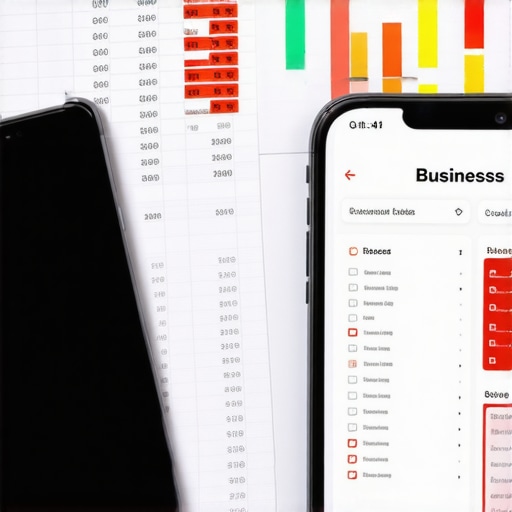
Target the Data Aggregators First
Don’t start with the tiny niche blogs. Start with the ‘Big Four’ data providers—Factual, Acxiom, Infogroup, and Neustar. These are the engines that feed the rest of the internet. If you fix the data here, it trickles down to the smaller sites over time. It’s like cleaning the headwaters of a river; once the source is pure, the rest of the stream follows suit. If you miss this step, you’re just playing a game of whack-a-mole where old, bad data keeps reappearing every time a small site refreshes its database.
Stay On Top of the Changes Without Losing Your Sanity
Once your data is clean, you have to defend it. Competitors can ‘suggest an edit’ to your Google profile, and sometimes those edits get approved without you ever seeing a notification. This is why digging into maps analytics is vital. You aren’t just looking at how many people saw your pin; you’re looking for sudden drops in views that suggest your profile has been tampered with or hidden.
The Trap of Vanity Metrics in Local Search
Many business owners get excited because their ranking numbers go up, but their phone remains silent. I see this all the time—a rank tracker might show you in the top spot for a specific keyword, but if that keyword doesn’t have local intent or if your phone number is wrong on the listing, those rankings are worthless. You have to bridge the gap between ‘seeing the listing’ and ‘taking action.’ This includes using review management tools to ensure that when people do find your clean, accurate listing, they are greeted by social proof that builds immediate trust. Managing this isn’t about doing it once; it’s about building a system that alerts you the second a competitor or a rogue algorithm update tries to shift your pin.Establishing a system is one thing, but relying on it blindly is where most local business owners fall off a cliff. I used to think that as long as my dashboard was green, my business was safe. That was a rookie mistake. The hard truth is that your rank tracker is giving you a false sense of security because it often measures from a single, static point in your city. In reality, local search is hyper-fragmented. You might be king of the hill at your front door, but a ghost three blocks away.
The Great Proximity Lie Your Ranking Reports Tell You
Everyone tells you to aim for the number one spot, but they forget that the ‘map pack’ is a living, breathing organism that changes based on where the searcher is standing. If you are only looking at average positions, you are missing the ‘proximity gap.’ I’ve seen businesses celebrate a #1 ranking in a monthly report while their actual lead flow was cratering because the local rank tracker flaw that makes your best keywords look like losers was hiding a 50% drop in visibility in the high-intent suburbs nearby. You have to look at the grid, not just the number. Whitespark’s Local Search Ranking Factors study consistently highlights that proximity is the most weighted signal, yet most basic software ignores how your proximity is shrinking due to increased competition. #IMAGE_PLACE_HOLDER_C#
Why Most Review Management Tools Ignore the Conversion Killers
Another trap is the obsession with total review count. I fell for this too, thinking 500 reviews would make me invincible. But if those reviews don’t contain ‘keywords in context’ or if your response time is lagging, the algorithm starts to cool on you. Most review management tools fail to catch the one metric that matters: sentiment-driven authority. It isn’t just about the stars; it’s about whether the reviews confirm you solve specific problems. If your software isn’t flagging when a review mentions a service you’re trying to rank for, you’re flying blind.
Can Your Software Detect When a Competitor Quietly Hijacks Your Data?
This is the advanced nuance most people miss until it’s too late. Sophisticated competitors don’t just out-rank you; they attempt to ‘suggest an edit’ to move your pin or change your phone number. A standard citation monitor is great, but you need to know how to stop your citations from being hijacked by competitors through real-time alerts. I once lost an entire weekend of emergency calls because a competitor ‘suggested’ I was closed on Saturdays, and the automated system accepted it. Have you ever fallen into this trap? Let me know in the comments. It’s time to stop looking at vanity metrics and start looking at the data that actually moves the needle for your bank account.Continuing from the chaos of messy data, we need to talk about the ‘set it and forget it’ trap. I see so many business owners spend three months cleaning up their NAP only to ignore it for a year, then wonder why they’re back on page three. Consistency is the only currency Google truly values in the local pack. I personally use a citation monitor to catch those ‘phantom’ edits before they go live. It’s not just about accuracy; it’s about signaling to the algorithm that this business is active and guarded.
Stop the Ranking Decay Before It Starts
I’ve integrated a specific weekly routine where I look at maps analytics for one thing only: the ‘Request Directions’ vs. ‘Website Clicks’ ratio. If directions are up but calls are down, I know my map pin might be slightly off-center or my hours are confusing people. This is why unlocking the power of local SEO software isn’t about buying a tool; it’s about buying a process. You need to know how to run a local SEO audit without getting overwhelmed because checking 100 metrics is a waste of time. Focus on the three that actually drive revenue.
How can I keep my local visibility alive for the long haul?
Maintenance boils down to a ‘defense first’ strategy. I recommend using review management tools that alert you to new feedback instantly. As Joy Hawkins, a leading expert at Sterling Sky, often points out, the ‘Vicinity’ update made proximity and relevance even tighter; if you aren’t engaging with your customers through review responses, you are essentially telling Google you’ve gone dormant. I found that the simple response tweak that turned our 1-star reviews into loyal customers was more effective for our rankings than twenty new backlinks. 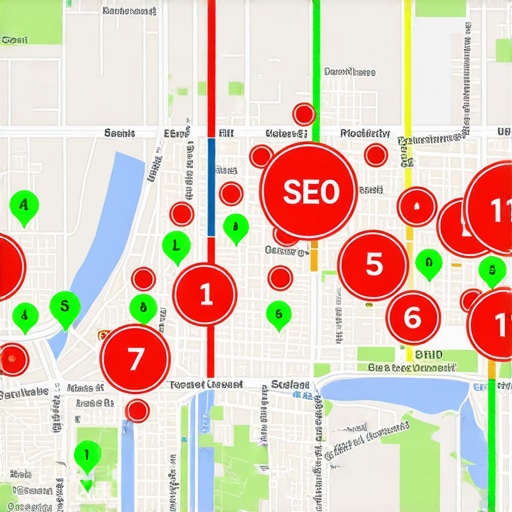
The tools that actually earn their keep
I’m often asked if a premium rank tracker is worth the monthly fee. My answer is always: only if it offers a grid view. Seeing a single ‘average’ number is like checking the weather for an entire continent. You need to see how you rank at the coffee shop across the street versus the park two miles away. If you see your ‘green’ circles shrinking, it’s a sign your proximity is shrinking, and you need to push more localized content or better schema.
What local search looks like in 2026
Looking ahead, I predict we are moving toward ‘Visual and Semantic Authority.’ It won’t just be about having the right keywords; it will be about the photos you upload and the specific nouns used in your reviews. Google’s AI is getting better at ‘reading’ images to confirm you actually do what you say you do. If you want to stay ahead, stop obsessing over total citations and start tracking this one accuracy metric instead. My best advice? Go open your current tracking software right now and look at your 3-mile grid. If you see more than three ‘red’ spots in your primary service area, it’s time to stop reading and start auditing.
Why Your Dashboard Is Not Your Business
After years of tweaking pins and hunting for duplicates, I have realized that the most dangerous thing you can do is trust a software dashboard blindly. I learned that tracking accuracy over quantity is the secret to long-term stability. Most business owners get mesmerized by pretty ranking colors, but if you do not know how to run a local SEO audit without getting overwhelmed, you will chase the wrong numbers until your budget runs dry. Real growth happens when you treat your digital profile like a physical storefront—with regular maintenance and a keen eye for details that the automated bots often miss.
The Local SEO Stack I Use Daily
I do not believe in having fifty tools; you only need a few that actually provide actionable data. First, a citation monitor is your early warning system against data hijacking and accidental duplicates. Second, a reliable rank tracker that specifically offers a grid-based view is essential for seeing the actual proximity truth of your service area. Finally, using review management tools keeps your customer engagement consistent without it becoming a second full-time job. I trust these specifically because they focus on conversion, not just vanity impressions.
#IMAGE_PLACEHOLDER_E#
Your Town is Waiting to Find You
Local search is not a dark art; it is simply about being the most reliable, consistent version of yourself online. When you unlock the power of local SEO software correctly, you stop guessing and start growing based on evidence. Your neighbors are out there right now, searching for exactly what you offer. Do not let a messy listing or a buried map pin keep you from helping them. Go claim your spot at the top of the map pack and watch how the right data transforms your bottom line. Have you ever noticed your business ranking differently just a few blocks away from your office? Let me know your experience in the comments below!