I sat staring at my screen, refreshing the page every ten seconds like a crazy person. A long-time client had just sent me a screenshot of the glowing, five-star review they’d posted for my business. It was perfect—detailed, heartfelt, and full of the kind of praise that moves the needle. But on my public profile? Total silence. It wasn’t there. That was the day I realized that the very systems meant to protect our reputations are often the ones quietly sabotaging our growth. It’s a gut-punch when you work hard for a testimonial only to have it vanished by an algorithm that doesn’t understand your business. Today, I’m going to pull back the curtain on the review filtering error that’s hiding your best testimonials and, more importantly, how you can get them back.
Google Is Deleting Your Five-Star Reviews and Here is How We Stop It
For the longest time, I thought I was just unlucky. I’d see my rank tracker showing me at the top of the pile, but my review count stayed stubbornly flat. I even made the rookie mistake of asking three different clients to post their reviews while they were all sitting in my office using my guest Wi-Fi. Huge mistake. Google saw three reviews coming from the same IP address in ten minutes and flagged my account faster than you can say ‘spam.’ It took me months to realize that the ‘Review Management’ I was doing was actually causing the filters to go into overdrive. If you aren’t using the right review management tools, you’re basically flying blind. According to research from BrightLocal, nearly 75% of consumers always or regularly read online reviews when searching for local businesses. When those reviews go missing, you aren’t just losing a few stars; you are losing cold, hard cash.
Is the Spam Filter Actually Just Broken for Small Businesses?
You might be wondering if this system is even worth the headache or if it’s just rigged against the little guy. I’ve felt that way too, especially when seeing why your competitors rank higher with worse reviews. It feels unfair. But the truth is, the filter is a blunt instrument. It catches the bad guys—like people trying to spot fake reviews before they land—but it also catches the innocent bystanders. My goal today is to show you the specific triggers that cause these ‘filtering errors’ so you can coach your customers to leave reviews that actually stick. Have you ever had a customer swear they left you a glowing testimonial, only for you to find a blank space where their praise should be? It’s more common than you think, and we’re going to fix it right now.
Make Your Customers Write Like Humans Not Marketers
To beat the filter, you have to understand that Google’s AI is looking for patterns that scream ‘fake.’ When a customer uses too many keywords or sounds like a press release, the bot flags it. I once worked with a local plumber who had fifty reviews simply vanish. We discovered his office manager was literally telling customers exactly what to write. To fix this, we started using the specific phrase that stops review sabotage in its tracks: ‘Tell us about the specific problem we solved for you.’ By shifting the focus to a specific problem-solution narrative, the reviews became unique and human. If you use review management tools that transform customer feedback into revenue, you can set up templates that encourage this natural language without being overbearing.
Ditch the Office Wi-Fi Before You Send the Link
Remember my mistake with the guest Wi-Fi? It’s a common trap. When multiple reviews hit the server from the same IP address, Google sees a ‘review farm.’ Now, I tell my clients to wait until they are at least a mile away or back on their own cellular data before hitting submit. I learned this the hard way when a big batch of testimonials from a weekend event never showed up. It was a total waste of momentum. To ensure you aren’t invisible, you need a citation monitor your secret weapon for local seo success to watch for any sudden shifts in how your business information is being processed across the web.
Watch the Grid for Invisible Drops
Sometimes your reviews are there, but your visibility is gone. I’ve seen cases where the reviews are live, but the business has dropped out of the local pack entirely because of a proximity glitch. You might think everything is fine because your dashboard says so, but you have to know how to spot the tracking flaws in your weekly ranking reports. A standard rank tracker might tell you that you are number one, but that’s often just for the person standing in your lobby. To see the truth, you need maps analytics insights to boost your local map visibility. This allows you to see if your reviews are actually helping you rank in the neighborhoods where your customers live, not just where your office sits.
The Two-Hour Rule for Response Timing
Speed matters, but not the way you think. I used to reply to reviews within seconds, thinking I was being efficient. In reality, I was just making the whole interaction look automated. I found that waiting about two hours feels more ‘human’ to the algorithm and allows you to craft a response that actually helps. If things go south, knowing the one review response that actually stops angry customers from leaving can save your reputation before the filter even gets involved. This isn’t just about being polite; it’s about signaling to Google that there is a real person behind the business. I applied the simple tweak that put our solo office above the national brands by simply personalizing every single response with a detail from the customer’s visit. It’s a small move that carries massive weight in the eyes of a search engine.
Let’s dig deeper into why so many businesses see ‘green’ on their dashboards but a ‘red’ bank account. The most common lie in the industry is that ‘more is always better’—especially when it comes to citations. I’ve seen agencies charge thousands to blast a business name across 200 random directories. The truth? If those directories aren’t relevant or authoritative, you’re actually creating digital noise that confuses Google. In my experience, why buying more citations is actually throttling your local visibility is a reality many discover too late. You don’t need 200 low-quality links; you need the handful of high-impact ones that actually matter for your specific neighborhood.
Then there’s the ‘ghost listing’ trap. I once spent three weeks trying to figure out why a client’s visibility was oscillating wildly. It turned out they had a duplicate profile from five years ago with a slightly different phone number hidden on an old directory. Google’s algorithm hates ambiguity more than anything. If you don’t know how to identify ghost listings before they tank your local authority, you’re basically fighting your competitors with one arm tied behind your back. It is a sophisticated error that standard audits usually miss.
Why Does Your Map Data Never Match Your Actual Sales?
This is the question that keeps business owners up at night. You see your rank tracker showing you in the top three for every major keyword, yet the phones are silent. According to research from experts at Sterling Sky, proximity and ‘user intent’ are often the silent killers of conversions. If your tool isn’t showing you a grid-based view of the city, it’s probably misleading you. This is why most local SEO software tools overestimate your true ranking—they check from a single fixed point, usually right at your office, which is the one place you already know you rank. You need to see how you perform three miles away at a busy intersection to know your real worth.
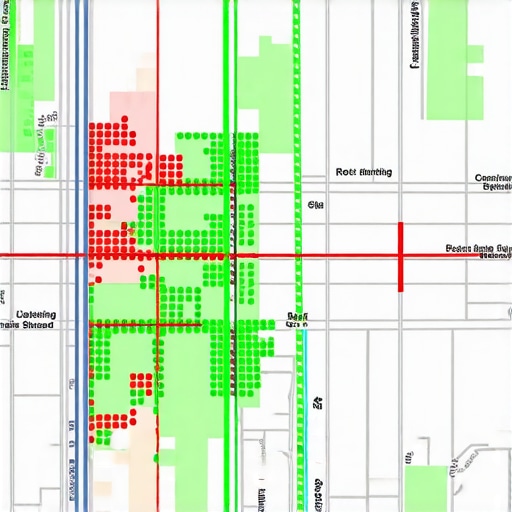
To truly understand where your money is coming from, you need to look at the rank tracking feature that actually predicts revenue growth: click-to-call rates on specific map pins rather than just raw impressions. If people see you but don’t click, your ranking is a vanity metric that won’t pay the bills. Have you ever fallen into this trap of celebrating a ‘Number 1’ ranking while your sales stayed flat? Let me know in the comments. I’ve been there, and it’s a hard lesson to learn that the data gap between rankings and calls is where most small businesses lose their edge. We need to stop chasing colors on a chart and start chasing real-world actions.
Local SEO isn’t a trophy you win; it’s a garden you have to weed. I’ve seen businesses hit the top of the Map Pack, celebrate for a week, and then fall off the face of the earth because they stopped monitoring the basics. The most dangerous thing you can do is get comfortable. You need a system that alerts you the second a competitor tries to ‘edit’ your business hours or suggest your shop is permanently closed. I personally rely on the citation monitor setting that catches profile hijacks in minutes. It’s the difference between losing a month of leads and fixing a problem in your lunch break.
The Exact Software Stack That Keeps My Phones Ringing
I’ve wasted thousands on generic tools that treat local search like global search. If your software doesn’t show you a proximity-based grid, it’s useless. You need to stop paying for local seo tools that do not track proximity because knowing you rank #1 at your front door doesn’t help you reach the customer five blocks away. My daily workflow involves checking the map analytics metric that actually shows you where money is made—specifically, the ‘driving directions’ requests. That is the one true signal of intent. If those numbers are dipping while your ‘impressions’ are up, you have a conversion problem, not a ranking problem.
How do I keep my map rankings from disappearing overnight?
To stay on top, you have to embrace the ‘Audit and Adjust’ cycle. Every month, I look for how to force a map ranking update when your profile feels stuck. Usually, this involves refreshing my business photos or adding a new Q&A section. Consistency is your best defense. According to Mike Blumenthal, a leading expert in local search, Google is increasingly using ‘real-world signals’ to verify business legitimacy. This means your digital footprint must match your physical reality perfectly. 
The Future of Local Search Is Already Here
Looking ahead, I predict that ‘Proximity Bias’ will become even more aggressive. Google’s AI is getting better at understanding exactly where a user is standing—down to the specific aisle of a store. We are moving toward a world where ‘Local’ means ‘Right Now’ and ‘Right Here.’ If you want to stay relevant, you must unlock the power of local seo software for small business growth that integrates real-time inventory and live updates. Don’t wait until your competitors have already pivoted. Start by auditing your current grid today and see where you are actually invisible. If you find a gap, fix one citation or reply to one old review—just don’t sit still.
What the Google Algorithm Actually Thinks of Your Review Strategy
I spent years thinking that more reviews meant more money, but the algorithm doesn’t care about quantity; it cares about trust patterns. One big lightbulb moment for me was realizing that the key difference between tracking rankings and tracking leads lies in how authentic your customer interaction looks to a machine. If every review is ‘perfect,’ it actually looks suspicious to a bot. I’ve learned that a mix of high praise and honest, constructive feedback is often more ‘sticky’ than a wall of five-star perfection that triggers every spam filter in the book. Another hard lesson? Proximity is a cruel mistress. You can’t force a ranking for a user ten miles away if your local signals are weak at the source. You have to how to identify the local citations that actually move the needle rather than just spraying and praying your business data across random corners of the web.
The Gear I Use to Protect My Digital Reputation
If you’re tired of the guesswork, you need a stable foundation of data to back your decisions. I personally swear by the research insights from Sterling Sky and BrightLocal for keeping up with broad industry trends, but for my daily boots-on-the-ground management, I focus on tools that visualize the local grid. You shouldn’t settle for a basic dashboard that gives you a single number; you need to unlock the power of local seo software for small business growth to see exactly what’s happening in your specific neighborhood in real-time. I also recommend keeping a close eye on your citation monitor your secret weapon for local seo success to ensure that no one is tampering with your business details while you sleep. These aren’t just ‘optional extras’ anymore; they are the basic requirements for staying competitive in a crowded market.
#IMAGE_PLACEHOLDER_E#
Take the Reins of Your Local Visibility Today
The digital landscape changes every day, but the core of a successful local business remains the same: being there when people need you. You don’t need to be a technical genius to how rank tracker can skyrocket your local rankings in 2025; you just need to be consistent, responsive, and data-driven. Don’t let a filter error or a proximity glitch rob you of the hard work you’ve put into building your brand. Start with one small fix today—whether it’s replying to a missed customer or checking your map pin for accuracy—and build from there. The future of your local seo software strategy is in your hands, and the best time to optimize was yesterday. The second best time is right now. Have you ever had a customer swear they left you a glowing review only for it to never appear? Let me know how you handled it in the comments below!