I spent three years thinking that if I just provided the best service and got the best reviews, Google would naturally reward me. I was wrong. It was a Tuesday night when I saw a local plumber—let’s call him ‘Leaky Larry’—sitting comfortably at the top of the Map Pack with a dismal 3.1-star rating and a half-empty profile. Meanwhile, my client, with a pristine 4.9 average and professional photos, was nowhere to be found. It felt like a punch to the gut. I realized then that your optimized business profile can still rank below abandoned listings if you don’t understand what the algorithm is actually hungry for. This realization changed everything about how I approach local growth. Today, we aren’t just talking about stars; we are talking about the technical levers that actually move the needle.
Stop Obsessing Over Your Five-Star Average
Most of us fall into the trap of thinking local SEO is a popularity contest. It’s not. It’s a data-matching game. Early in my career, I made the massive mistake of ignoring my NAP (Name, Address, Phone) consistency because I thought Google was smart enough to figure it out. I was dead wrong. I ended up spending weeks using a citation monitor trick to find every mention of the brand just to fix the mess I created. The reality is that Google prioritizes trust and relevance over a perfect score. If ‘Leaky Larry’ has been at that same corner for twenty years and his data is cemented across every directory, the algorithm views him as a safer bet than a newcomer with a handful of glowing reviews. We need to look at the 3 subtle authority signals that force your business into the pack regardless of your star count.
Is Google actually ignoring your customer feedback?
It certainly feels that way when you see low-quality competitors winning. However, it is more about how that feedback is processed alongside other signals. According to the Whitespark Local Search Ranking Factors study, proximity to the searcher and physical address consistency are often the most weighted factors, sometimes overriding review sentiment entirely. This is why you need a rank tracker setup that shows real neighborhood proximity rather than just a city-wide average. If you are not tracking how you appear street-by-street, you are flying blind. Have you ever felt like no matter how many five-star reviews you get, your map pin stays stuck in the mud? We are going to solve that by focusing on the ‘unsexy’ technical side of rankings that your competitors are likely using to beat you right now.
Fix Your Citations or Stay Buried Under Your Competitors
The biggest lie in SEO is that if you build a great business, Google will find you. In reality, Google is a skeptical librarian who needs to see your ‘ID’—your NAP data—matched perfectly across a dozen different sources before it trusts you. Think of your business info like a fingerprint; if one digit is slightly off on a random directory, the whole thing is flagged as a potential fraud. I learned this the hard way with a boutique law firm client. They had moved offices twice in four years, and while they updated their main website, they ignored the ‘echoes’ on third-party sites. Google saw three different locations and essentially split their ranking power into thirds. We had to dive deep into the 3 citation errors that confuse Google and kill your traffic to salvage their reputation. It wasn’t until we synced every single mention that their map pin finally stopped jumping around like a nervous squirrel.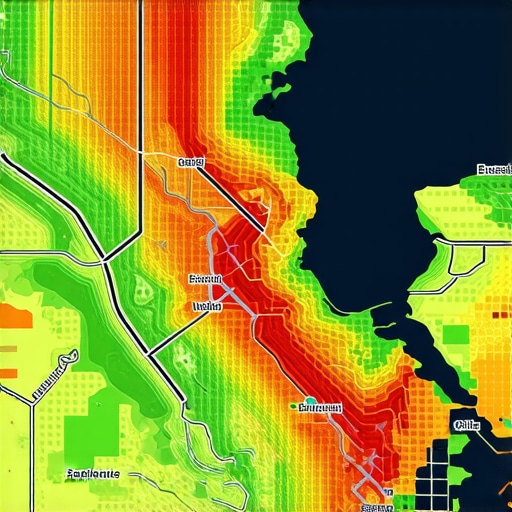
Stop Guessing Where Your Customers Are Searching From
You might rank #1 from your office chair, but walk two blocks south and you’re invisible. This is the proximity paradox. To beat ‘Leaky Larry,’ you need to see the ‘heat’ of your rankings across the entire neighborhood. Using maps analytics insights to boost your local map visibility is how you identify where your authority ends and where a competitor’s begins. Most business owners look at a single ranking number and think they’re winning. They aren’t. They are winning a single coordinate. You need to leverage how rank tracker can skyrocket your local rankings in 2025 by visualizing rank across a grid rather than a list. If you notice your visibility drops off sharply at the edge of a specific zip code, that is exactly where you need to focus your next local outreach or service-page update.
How to Handle Reviews Like a Pro, Not a Bot
Once your data is clean and your tracking is precise, you have to tackle the feedback loop. Google isn’t just looking at the star count; it’s looking at the keywords inside the reviews and the speed of your response. I used to think responding ‘Thanks for the review!’ was enough. I was wrong again. You need a review management strategy that triples positive feedback by encouraging customers to mention specific services. When a client mentions ’emergency pipe repair’ in a review and you reply referencing that same service, you are feeding the algorithm exactly what it needs to categorize you. To keep this from becoming a full-time job, I recommend using a citation monitor setting that catches profile hijacks in minutes alongside your review tools. This ensures that while you are building authority, no one is sneaking in the back door to change your phone number or steal your hard-earned leads.
Stop Trusting Your Average Position Reports
The most common advice you’ll hear in this industry is that you need to aim for ‘Number 1.’ But I’ve learned that ‘Number 1’ is a dangerous vanity metric if you don’t define the coordinates. In my experience, why tracking average position is the fastest way to lose local customers is because it creates a false sense of security. You might be ranking at the top of the pack for the search performed in your own lobby, but three blocks away, you’re on page four. This is the ‘proximity gap,’ and it is the silent killer of local businesses. You have to understand the key difference between tracking rankings and tracking leads. I once worked with a dry cleaner who was thrilled with their ‘average rank’ of 1.5, yet their phone hadn’t rung in days. We discovered they were only ranking in a tiny, high-income radius while being blocked out of the rest of the city by a competitor with a much more robust proximity strategy. 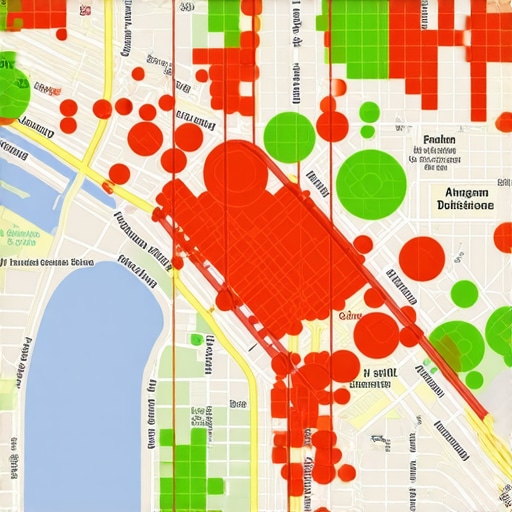
The Automation Trap That Scrambles Your Data
There is a massive misconception that you can just pay for a ‘citation blast’ and your data problems will vanish. This is the ‘Oops’ factor that most agencies won’t tell you about. Automated tools are great for speed, but they often struggle with ‘zombie listings’—old data that keeps resurrecting itself from hidden aggregators. I’ve found that why manual citation cleanup is better than automated tools comes down to precision. If a tool accidentally overwrites your new suite number with an old one because it found a conflict on a low-tier directory, you’ve just reset your authority clock. Have you ever fallen into this trap where you fix an error only for it to reappear a month later? Let me know in the comments.
Why does your map rank drop while your impressions skyrocket?
It sounds like a paradox, but it’s actually a symptom of ‘generic visibility.’ According to the BrightLocal Local Search Consumer Survey, proximity remains the most influential factor in the Map Pack, often overriding even high-authority backlinks. If your impressions are up but your rank is down, you’re likely appearing for broad, non-local terms that don’t convert. This is often why your map impressions are spiking while actual clicks are tanking. Google might be testing your business in a wider area, but if searchers don’t see relevance immediately, the algorithm pulls you back. To fix this, you need to learn how to use heatmaps to visualize your map pack dominance so you can identify exactly where your ‘relevance wall’ is. Once you see the physical boundary of your rankings, you can stop shouting at the whole city and start winning block-by-block.
Scale Your Map Presence Without Scrambling Your Data
I’ve seen dozens of business owners hit that #1 spot, celebrate with a round of drinks, and then disappear from the results two months later. Success in local SEO isn’t a trophy you keep; it’s a lease you have to renew every single day. When you start growing—especially if you’re managing multiple areas—you quickly realize that how to sync hundreds of locations without data corruption becomes your biggest technical hurdle. I personally stopped using ‘all-in-one’ dashboard solutions that promise the world because they often gloss over the tiny discrepancies that trigger Google’s suspicion. Instead, I rely on a combination of niche-specific local seo software that allows for manual overrides. You need a tool that doesn’t just push data, but listens for pushback from the aggregators.
How do I maintain my map rankings over the long haul?
Maintenance is about vigilance, not just volume. You have to treat your citations like a living security system. I always recommend enabling the citation monitor setting that catches profile hijacks in minutes. Competitors and rogue ‘suggested edits’ from users can change your phone number or website link overnight, and if you aren’t alerted immediately, you lose weeks of lead flow. According to local search expert Joy Hawkins from Sterling Sky, Google often trusts user-suggested edits over the owner’s own data if that data hasn’t been ‘refreshed’ or verified recently. This is why I advocate for a monthly audit of your core directories. 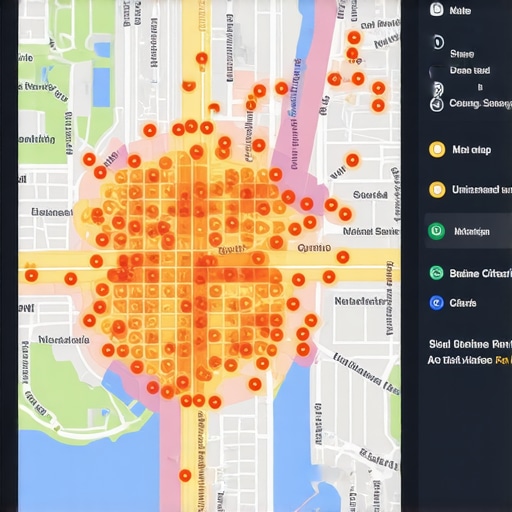
Transform Your Feedback into a Ranking Engine
If you’re still just ‘getting reviews,’ you’re leaving money on the table. The real winners are using review management tools that transform customer feedback into revenue by automating the follow-up process and tagging specific services. When you can see that your ‘water heater repair’ reviews are lagging while your ‘drain cleaning’ ones are soaring, you know exactly where to pivot your content strategy. I’ve found that the software feature that makes managing 1000 reviews easy is the ability to filter by sentiment and keyword density. This allows you to spot a negative trend before it craters your average. Looking ahead, I predict Google will move even closer to ‘transactional’ rankings, where your ability to handle ‘Place Actions’—like bookings or quotes directly in the profile—will outweigh traditional backlinks. If you haven’t already, go into your dashboard today and enable the ‘Request a Quote’ button; it’s a massive engagement signal that most of your competitors are too lazy to monitor. If you want to see exactly how you’re performing, stop relying on static reports and start using how rank tracker can skyrocket your local rankings in 2025 to see your real-world neighborhood proximity.
The Hard Truths I Learned While Fighting for the Top Spot
After years of trial and error, I realized that local visibility isn’t a ‘set it and forget it’ project. It is a living, breathing part of your business. One of my biggest lightbulb moments was realizing that a citation monitor is more than just a data checker; it is a defensive shield. I’ve seen perfectly optimized profiles get derailed by a single incorrect phone number on a niche directory. If you aren’t using a citation monitor as your secret weapon for local seo success, you are essentially leaving your front door unlocked. Another hard lesson? Proximity is ruthless. You can’t just ‘rank for the city.’ You have to win the block, then the neighborhood, then the district. This requires a level of patience that most business owners lack, but it’s the only way to build a foundation that competitors can’t easily shake.
Tools I Actually Use to Keep My Data Clean
I don’t believe in over-complicating things, but there are a few non-negotiables in my workflow. First, I always advocate for using specialized local seo software for small business growth rather than generic enterprise tools. These niche platforms understand the nuance of the Map Pack better than the ‘big box’ SEO suites. For visualizing the battleground, maps analytics insights are the only way to see the ‘heat’ of your rankings across different street corners. Finally, when it comes to the human element, I rely on review management tools that transform customer feedback into revenue. These aren’t just for collecting stars; they are for analyzing what your customers actually want and feeding that data back into your service model.
#IMAGE_PLACEHOLDER_E#
Your Business Deserves to Be Seen
It is easy to get bogged down in the technical weeds of latitude, longitude, and data aggregators. But at the end of the day, local SEO is about connecting a person who has a problem with a business that has the solution. Don’t let a messy citation or a lack of tracking keep you from helping your neighbors. Start small—clean up your core listings, respond to your latest reviews, and set up a proper rank tracker to see where you actually stand today. When you understand how rank tracker can skyrocket your local rankings in 2025, you stop guessing and start growing with purpose. You’ve done the hard work of building a great business; now it’s time to make sure Google knows it too. Have you ever noticed your rankings drop off suddenly just a few blocks away from your office? Let me know in the comments below.