It was a rainy Tuesday afternoon when the realization hit me like a bucket of cold water. I was sitting in my office, staring at a dashboard that showed us sitting pretty in the top spot for every major local keyword. By all accounts, we were winning. But there was one massive, terrifying problem: the phones were dead silent. No inquiries, no bookings, nothing. I checked the lines, called my own front desk, and even rebooted the router, thinking it was a technical glitch. It wasn’t. I eventually searched for my own business on a mobile device and saw it—our phone number had been swapped with a competitor’s. We were essentially paying to generate leads for the guy down the street. It was my first brutal lesson in map hijacking, and it changed the way I look at
The Day My Business Became a Ghost on Google Maps
I’ll be honest with you: I used to think that once you verified your Google Business Profile, it was your fortress. I made the classic mistake of assuming Google’s algorithms were smart enough to block random strangers from changing my primary contact info. I was wrong. I had ignored my citation monitor alerts for weeks, thinking they were just automated noise. That negligence cost us thousands in lost revenue before I finally dug into the data. We found that a competitor was using the ‘Suggest an edit’ feature to redirect our hard-earned traffic to their own call center. It’s a dirty tactic, but it happens more often than you’d think. Today, I’m going to show you exactly how to spot these ‘ghost’ edits before they drain your bank account and how to use maps analytics to prove your case to Google.
Is the local map pack actually a lawless wasteland?
You might be wondering if it is even possible to protect your profile when anyone with a Gmail account can technically ‘suggest’ a change. The truth is that Google relies heavily on user-generated data. According to research from Sterling Sky, a leading authority in local search, ‘suggested edits’ from trusted local guides can go live almost instantly, often bypassing the business owner’s immediate approval. This creates a massive vulnerability. If you aren’t actively watching your profile, you are essentially leaving your storefront unlocked at night. Have you ever noticed a sudden, unexplainable drop in calls despite your rank tracker saying you are still number one? If so, you might be a victim of this right now. We had to learn the hard way that our phones stopped ringing even though we were ranking, and I don’t want that for you.
Locking the Digital Front Door Before More Leads Vanish
After we caught them, the first thing I did was audit every single place our business was mentioned online. I realized we had a massive web of inconsistent citations that made it easier for Google to trust the ‘suggested’ (fake) info over our own. It’s not just about the map pin; it’s about the entire ecosystem of your local data. By the time we finished our cleanup, we didn’t just get our phone number back—we actually increased our total visibility because we finally took the citation monitor settings seriously. In the next few minutes, I’ll walk you through the specific alerts you need to set up so a competitor can never pull a fast one on you again. We are going to move from being reactive victims to proactive owners of our local search space.
Lock Down Your Data Before Someone Else Does
You wouldn’t leave your physical shop’s keys in the door overnight, but that is exactly what you are doing if you don’t have a digital security system for your map presence. The most common way businesses lose leads isn’t through a drop in ranking; it’s through stealthy edits that redirect your customers. To stop this, you need to treat your local SEO software as a security alarm rather than just a reporting tool. Think of your citations as the structural pillars of your building; if one is crooked, the whole roof—your Google Maps ranking—starts to sag.
Stop Relying on Luck and Start Using a Citation Monitor
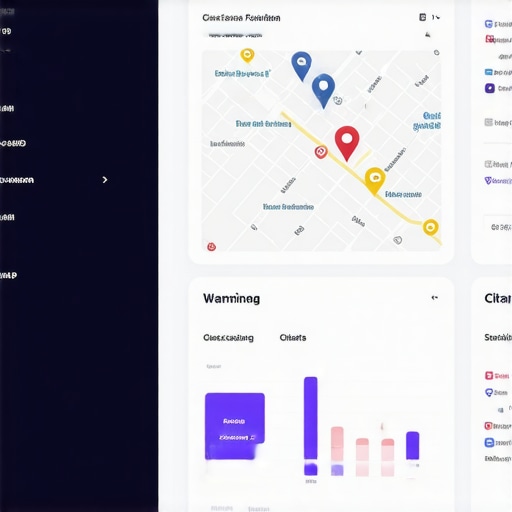
The first step is moving beyond manual checks. I used to think I could just ‘google myself’ once a week and be fine. I was wrong. You need to activate the citation monitor settings that alert you the second a third-party site changes your data. Google doesn’t just look at your dashboard; it cross-references your phone number and address across the entire web. If a competitor changes your number on a small, obscure directory, Google might eventually think that ‘new’ number is the correct one and update your main profile automatically.
How to Audit Your Listing for Stealthy Changes
I remember a frantic Saturday morning when I finally sat down to do a deep dive into our digital footprint. It was eye-opening. We found 12 citation errors that were siphoning our local lead flow, including an old Yelp clone that had been scraped with a typo in the area code. To prevent this, you must audit your local listings for inconsistent phone numbers at least once a month. This isn’t just about accuracy; it’s about sending a clear signal to Google that you are the authoritative source of your own information. When your data is identical everywhere, Google’s ‘trust score’ for your profile sky-rockets, making it much harder for a random user to ‘suggest an edit’ that sticks.
Use Maps Analytics to Predict Future Hijacking Attempts
Data doesn’t lie, but it can be hidden if you aren’t looking at the right screens. Most business owners look at ‘total views’ and call it a day. That is a vanity metric. Instead, you should be using maps analytics to track the ratio of views to actual actions. If your impressions are steady but your ‘click to call’ or ‘get directions’ metrics suddenly fall off a cliff, you have a hijacking problem. I use this data to find our most profitable neighborhoods and then double down on monitoring the local directories that serve those specific areas. If you see a dip in a high-value zone, check your profile immediately.
Turn Your Customer Feedback Into a Defensive Shield
Reviews aren’t just for social proof; they are a vital part of your profile’s security. Active profiles with frequent, managed responses are much harder to hijack because Google sees the high engagement as a signal of an ‘active’ and ‘verified’ owner. By using review management tools, you can stay on top of feedback and ensure your profile remains ‘hot’ in Google’s eyes. I’ve noticed that when we respond to every review within 24 hours, our rank tracker shows much more stability during algorithm updates because our profile authority is so high. It’s about building a digital moat that keeps the bad actors out while letting your customers in.
Why a Mountain of Citations Could Be Burying Your Business
Let’s dig deeper because there is a dangerous misconception in our industry: the idea that more is always better. Most gurus tell you to blast your business across every directory you can find. But in my experience, if you stop chasing citation volume and focus on this accuracy metric instead, you’ll see much faster results. Buying bulk packages is one of the quickest ways to trigger a spam filter. In fact, why buying more citations is actually throttling your local visibility comes down to how Google perceives ‘noise’ versus ‘signal.’ If you have 200 citations but 50 have slight variations in your suite number, you’re confusing the algorithm, not helping it. Whitespark’s annual Local Search Ranking Factors study has consistently shown that citation consistency has dropped in importance relative to behavioral signals and proximity, yet people still waste hundreds of dollars on low-quality directory blasts.
Why does my rank tracker show me at the top while my shop is empty?
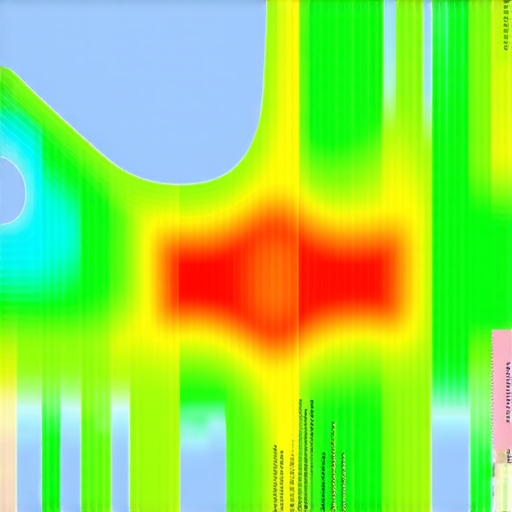
The biggest ‘oops’ factor I see with business owners is relying on a standard rank tracker that doesn’t account for the ‘proximity glitch.’ You might see a beautiful report showing you at #1 for ‘plumber near me,’ but that report was likely run from a static server location. Why most local seo software tools overestimate your true ranking is because they fail to simulate the actual movement of a user. If a customer is standing just two blocks away, your ranking could drop to #5, and you’d never know it without how to use heatmaps to visualize your map pack dominance.
It’s also easy to get blinded by a high star rating. I’ve seen businesses with a 4.9 average get absolutely crushed by a competitor with a 4.2 because the competitor had higher ‘review velocity’ and more keywords in their text. Why review diversity matters more than just your star rating is a nuance most people miss. Google wants to see that you are relevant for a variety of specific services, not just that you are ‘good’ in general. If you aren’t using review management tools to encourage customers to mention specific services, you are leaving money on the table. Have you ever fallen into this trap where your data looked great but your bank account didn’t? Let me know in the comments. We need to move past vanity metrics and start looking at the key difference between tracking rankings and tracking leads to truly understand if our maps analytics are telling the truth or just a pretty story.
Scaling Your Local Growth Without Losing Your Mind
I’ve spent years trying every local SEO software on the market, and I can tell you that most of them are just fluff. When you are ready to scale, you need to move beyond simple keyword lists. I personally swear by the grid-based ranking method that reveals your real search presence because it shows you exactly where your ‘visibility bubble’ pops. If you aren’t seeing your rank as a geographic heat map, you are flying blind. This is how I spotted that our shop wasn’t showing up for people across the main highway, even though a standard rank tracker report said we were winning. We had to fix our proximity signals to bridge that gap, and we never would have seen it without why rank tracking software often misses the local grid data.
How can I maintain my local visibility month after month?
The secret isn’t more work; it’s better automation. I set my citation monitor to run a full sweep every 30 days, but I have ‘instability’ alerts turned on 24/7. This allows me to unlock the power of local SEO software for small business growth without hiring a full-time marketing manager. You should also be looking at the rank tracking feature that actually predicts revenue growth, which is the conversion-to-call ratio within your maps analytics dashboard. If your rankings are high but your ‘Get Directions’ clicks are low, something is broken in your profile’s conversion design or your business hours are working against you.

Prepare Your Profile for the AI Search Revolution
Google is moving toward an AI-first interface, and the way we manage our presence must evolve. According to Darren Shaw’s Local Search Ranking Factors study, behavioral signals like ‘search to call’ and ‘time on profile’ are becoming the ultimate tie-breakers for the top three spots. In the next few years, Google’s AI models will likely be summarizing your reviews to tell users exactly why they should—or shouldn’t—visit your shop. This makes the review platform settings that prevent fake negative feedback more than just a security measure; they are a reputation insurance policy for the AI age.
Don’t Let Your Competitors Capture Your Off-Hour Leads
One of the most effective long-term moves I’ve made was optimizing for when the lights are off. I strongly recommend you check the secret to ranking for open now searches without staying open all night to give your profile that extra edge during the evening hours when your competitors have disappeared from the map pack. It is these small, technical tweaks that separate the businesses that ‘just exist’ on Google from the ones that dominate their local market. If you haven’t checked your grid rankings in the last 48 hours, I challenge you to run a heatmap right now and see where your ‘blind spots’ really are.
Hard Truths About What Google Actually Trusts
After years in the trenches of local search, I’ve realized that the ‘set it and forget it’ mindset is the fastest way to lose your ranking. Google is a machine that prioritizes freshness and consistency over history. One of the biggest shocks I had was learning why your map data does not match your actual sales. It turns out, we were optimizing for the wrong keywords, attracting ‘window shoppers’ instead of local buyers. Don’t fall for the trap of thinking high impressions equal high revenue.
Another lightbulb moment came when I realized that reviews are more than just social proof; they are a behavioral shield. I’ve seen profiles with thousands of five-star reviews get suspended because they ignored the ‘human’ element. Using the one review response that actually stops angry customers from leaving can save your reputation and your map position simultaneously. Google rewards businesses that solve problems in public.
The Software Stack That Keeps Me From Losing Sleep
I don’t have time to manual-check 50 directories every morning. Instead, I rely on a specific ecosystem of tools to do the heavy lifting. I start with a reliable citation monitor to act as my digital watchdog, notifying me of unauthorized edits before they go live. For my daily strategy, I look at the map analytics metric that actually shows you where money is made to ensure my marketing budget is actually hitting the right neighborhoods.
I also keep a close eye on the Sterling Sky Local Search Forum and Whitespark’s blog for sudden algorithm shifts. If things do go south, I always keep a guide handy on how to reclaim your Google Business Profile after a sudden suspension. Being prepared for the worst is the only way to stay at the top in this competitive landscape.
Own Your Map Spot Before Someone Else Claims It
The local search market is only getting more aggressive. Every day you aren’t monitoring your presence is a day a competitor could be ‘suggesting’ a change to your phone number or business hours. By implementing a robust local seo software strategy today, you aren’t just ranking—you are building a fortress around your brand. Don’t wait for your phones to stop ringing to take your map security seriously. Take control of your data, engage with your customers, and let the analytics guide your next move. Have you ever seen your business data changed on Google Maps without your permission? Let me know in the comments below.