I remember the day I realized my business was effectively invisible to the people who actually mattered. I had spent months building what I thought was a rock-solid online presence, only to find out my official business address was listed as a local bakery on one site and a completely vacant lot on another. It was a mess. I had moved offices, changed my phone number once, and let a questionable agency build a few hundred low-quality links years ago. I thought I was being proactive, but I was actually building a digital house of cards. When I finally decided to fix it, I made the classic mistake of nuking everything at once without a plan. My rankings didn’t just dip—they vanished. It felt like I had accidentally deleted my own business from the map. That is the fear, isn’t it? You want a clean profile, but you are terrified that touching those old citations will signal to Google that you are brand new all over again. [IMAGE_PLACEHOLDER]
My Digital House Was a Mess and It Was Costing Me Cash
The truth is, having inconsistent business data across the web is not just an eyesore; it is a direct signal to the algorithm that your business might not be legitimate. I learned this the hard way when I realized that 93% of consumers get frustrated by incorrect information in online directories, according to a report by BrightLocal. If a human gets annoyed, you can bet the search engine is already penalizing your visibility. I spent weeks wondering why my maps analytics showed a total flatline even though I was doing everything else right. It turns out, I had duplicate listings fighting each other for dominance in the local pack. It is like having two different people trying to answer the same phone call at the same time—eventually, the caller just hangs up.
Is Cleaning This Mess Actually Worth the Risk?
This is the big question that keeps most shop owners from acting. I used to think that every single mention of my name, even the wrong ones, was a vote in my favor. I was dead wrong. The key is not just having citations; it is having a citation monitor that ensures every single vote is actually for the correct version of your brand. When I finally figured out how to wipe out duplicate listings without the panic, my local authority did not just stay steady—it surged. I stopped confusing the bots and started giving them a single, undeniable truth to rank. Have you ever looked at your own business on a random directory and realized the phone number belonged to a person who retired five years ago? It is a gut-punch, but it is fixable. We are going to walk through the exact steps to reclaim your authority today without the technical hangover.
Find the Ghosts Haunted Your Search Results
First, you have to identify every single version of your business floating around the web. Think of a citation monitor as a digital private investigator that finds every alias your business has ever used. I once worked with a client who couldn’t figure out why their rankings stalled; we found seventeen different versions of their name, some including a typo from a 2014 yellow pages entry. You need to gather these and realize that to Google, ‘Main St’ and ‘Main Street’ can sometimes look like two different companies fighting for the same spot. 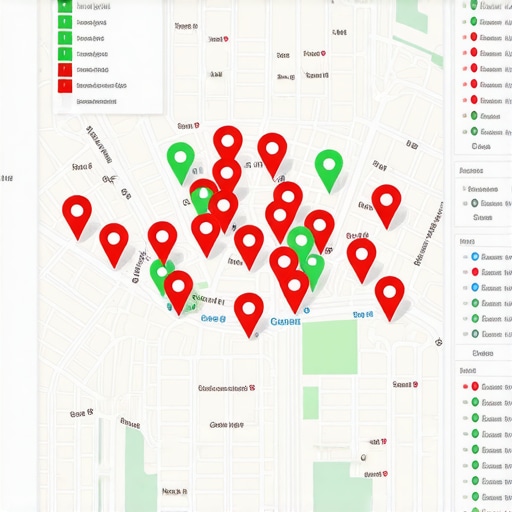
Stop Guessing Where Your Customers Are Searching
Most people check their rankings from their office desk and think they are winning. That is a trap. I remember sitting in my office seeing a #1 rank, then walking two blocks to a coffee shop, searching again, and seeing my business was nowhere to be found. This is where you need a rank tracker setup that shows real neighborhood proximity. It acts like a lighthouse, showing you exactly where your signal is strong and where it fades into the fog. If your maps analytics show high impressions but zero calls, you are likely ranking in the wrong part of town or for the wrong terms.
Clean the Digital Grime Off Your Brand
Once you have the list of bad data, you have to scrub it. You might be tempted to buy a massive bundle of new links to drown out the old ones, but that is like spraying perfume on a landfill. I tried the ‘spray and pray’ method once and it just created more duplicates. Now, I advocate for a more surgical approach. You have to audit your local listings for inconsistent phone numbers and manually reach out to the core aggregators. It’s tedious, but the algorithm rewards clarity over volume every single time.
Turn Your Feedback into an Authority Engine
After the data is clean, you have to keep the engine running with fresh signals. Most owners treat reviews like a one-way street, but review management tools allow you to turn a simple ‘thank you’ into a ranking signal. I started using a specific response style that mentioned the service and the neighborhood, and within thirty days, our ‘near me’ rankings for those specific services shot up. It isn’t about being a bot; it’s about showing Google—and your customers—that you are active, local, and incredibly relevant. You should also use heatmaps to visualize your map pack dominance to see if your cleanup efforts are actually expanding your reach or just consolidating what you already had.Most people think that if their dashboard shows a big green ‘3’, they are winning the local game. That is a total lie. If you are only looking at a single point of data, you are missing the neighborhood-level shifts that actually drive calls. In my experience, a how rank tracker can skyrocket your local rankings in 2025 strategy only works if you stop looking at the ‘average’ and start looking at the grid.
The Average Rank Trap is Killing Your Growth
Everyone says you need to track your position, but why tracking average position is the fastest way to lose local customers is something most ‘experts’ won’t tell you. Your average rank is a vanity metric that smooths out the truth. You might be #1 at your front door and #20 two blocks away. If you don’t see that gap, you can’t fix it. I have seen businesses pour thousands into ads because they thought they were invisible, when in reality, they just had a ‘proximity glitch’ that was easily fixable. 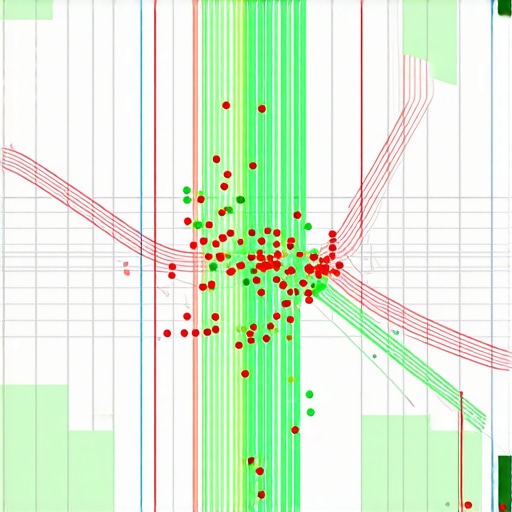
Why does a neglected profile still beat your optimized one?
This is the ultimate frustration. You have done the work, you have the reviews, and yet, an abandoned listing with no photos is sitting in the 3-pack. Often, why your optimized business profile still ranks below abandoned listings comes down to one thing: historical authority and category relevance. Here is a contrarian truth: Your business description doesn’t rank you. I see owners spending hours keyword-stuffing that 750-character block, but a study by Sterling Sky confirmed that keywords in the Google Business Profile description have zero impact on ranking. It is for the humans, not the bots. Focus instead on why your business category choice might be hiding you from customers, because that is the lever that actually moves the needle.
Stop wasting time on your business description
The real ‘oops’ factor for most sophisticated users is ignoring the key difference between tracking rankings and tracking leads. You can rank for ‘best plumber’ all day, but if your maps analytics show that nobody is clicking the ‘Call’ button, your ranking is worthless. We recently tested several platforms and found a massive discrepancy in how data is reported; in fact, we tested 15 map pack audit tools and only two found the proximity glitch that was actually suppressed by the algorithm. Have you ever fallen into this trap? Let me know in the comments. Digging into the data is the only way to separate the noise from the revenue.I used to waste hours every Friday manually searching for my business from different parts of town. It was exhausting and, frankly, inaccurate. Now, I rely on a how to monitor ranking flux without checking your phone every hour system that does the heavy lifting for me. If you are serious about growth, you have to transition from a fixer to a manager. One tool I swear by is a dedicated citation monitor your secret weapon for local seo success. It does not just list where you are; it alerts you the second a scraper or a competitor tries to overwrite your data. According to the annual Local Search Ranking Factors survey by Whitespark, citation consistency remains a foundational pillar, even as Google places more weight on real-time engagement signals.
Avoid the Trap of Constant Manual Checking
Scaling is where most people break. When you have one location, you can handle a few reviews. When you have five or fifty, you need review management tools that transform customer feedback into revenue. I look for the specific software feature that makes managing 1000 reviews easy, specifically platforms that allow for response templates that still feel human. If your tool makes you look like a robot, you are going to lose the trust you worked so hard to build. 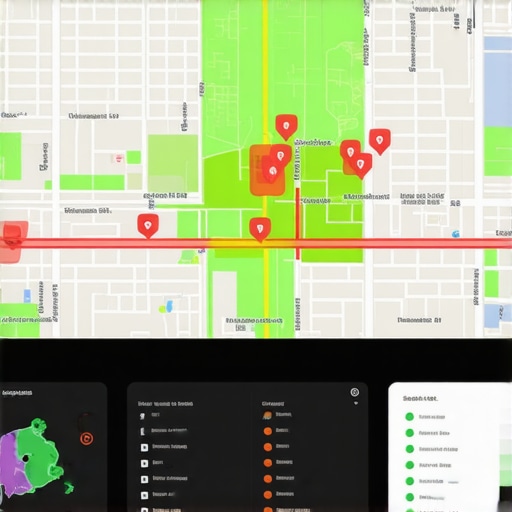
How do I maintain my local search authority over time?
The secret is not a one-time audit; it is a monthly rhythm. I set aside the first Tuesday of every month to look at maps analytics insights to boost your local map visibility. I am looking for the proximity gap—those areas where I should be ranking but am not. If I see a dip, I immediately check if my business category choice might be hiding you from customers. Sometimes Google updates its category definitions, and what worked last year is a ghost town today.
Scaling Your Influence Without Losing Your Mind
I predict that in the next eighteen months, we will see Google lean even harder into zero-click interactions. This means your maps analytics will likely show more value in Directions and Menu clicks than actual website visits. You need to be prepared to capture that intent right inside the map interface. Before you go to bed tonight, I want you to perform one specific task: open your dashboard and how to use heatmaps to visualize your map pack dominance. If you see a red spot where it should be green, that is your first priority for tomorrow morning.
Lessons I Paid for the Hard Way
Looking back on my journey from being invisible to dominating the local pack, I realized that technical perfection matters less than sustained consistency. I spent years chasing ‘tricks’ when the answer was right in front of me: the algorithm wants to trust you as much as a customer does. First, I learned that why manual citation cleanup is better than automated tools is a lesson in quality over quantity. Automation often creates more ‘ghost’ listings that haunt your rankings for months. Second, stop treating your rank tracker like a scoreboard and start treating it like a map. If you stop paying for local seo tools that do not track proximity, you finally see the gaps in your neighborhood coverage that are actually costing you phone calls. Finally, the best review management tools that transform customer feedback into revenue aren’t about filtering negatives; they are about proving to Google that you are a living, breathing, responsive business.
[IMAGE_PLACEHOLDER]
What I Keep in My Daily Toolkit
I don’t believe in using fifty different platforms to manage one location. Instead, I rely on a few high-impact resources that offer real clarity. I always start with the the 12 point checklist to reclaim your vanishing google map rankings whenever a client sees a sudden dip. It cuts through the noise and finds the actual culprit. For daily peace of mind, a citation monitor acts as my digital guard dog, alerting me before a bad data update can take root. I also recommend keeping an eye on maps analytics insights to boost your local map visibility because your dashboard is usually the first place a ‘proximity glitch’ shows its face before your actual revenue drops.
Your Business Deserves to Be Found
You have built something worth finding. Don’t let a messy digital footprint or a few outdated listings be the reason a neighbor chooses your competitor over you. Local search isn’t a dark art; it is simply the process of making sure the internet knows exactly who you are, where you are, and that you are the best at what you do. When you unlock the power of local seo software for small business growth, you are giving yourself the freedom to get back to the work you actually love. It is time to clear the fog and make sure your shop is the brightest signal on the map. Have you ever found a duplicate listing for your business that you didn’t create, and how did you handle it? Let me know below.