I stood on the sidewalk outside my office, phone in hand, feeling like a total failure. My rank tracker was showing red arrows across the board, and even though I was standing directly on my map pin, I was nowhere to be found in the local pack. I had spent thousands on fancy review management tools, yet my physical location was being ignored by the very algorithm that was supposed to help me. It was a brutal wake-up call: Google doesn’t trust you just because you have a lease or a sign on the door.
Stop Hiding from the Map Algorithm
Early on, I made the mistake of thinking citation volume was the only metric that mattered. I was chasing numbers instead of accuracy, which is exactly why these three citation errors often kill traffic before it even starts. I realized that my website’s code was essentially whispering my address when it needed to be shouting it in a language Google speaks fluently. Today, I am going to show you the exact Schema fix that forced Google to verify my physical existence and finally stopped my competitors from stealing my leads.
Is this technical stuff actually worth the effort?
You might think that a tiny bit of code won’t change your bottom line, but data shows that structured data helps search engines understand context more efficiently; in fact, according to a study by Search Engine Journal, sites using Schema can see a significant boost in click-through rates. Have you ever faced this specific problem where your citation monitor looks perfect but the phone just won’t ring? I have been there, and the fix is simpler than you think. It is about creating an unbreakable link between your digital footprint and your front door. This isn’t about gaming the system—it is about implementing the specific citation fix that reconnected my own shop to the local 3-pack. Let us dive into why your current address setup is likely failing you and how to lock it down for good.
Stop Confusing Google with Vague Schema
First, let’s nail the structured data. I think of LocalBusiness Schema as your business’s digital birth certificate. If you don’t have it, or if it is poorly configured, Google looks at your website like an unverified stranger. I remember once I set this up for a client and accidentally used a generic category; their business category choice ended up hiding them from the very people they wanted to serve for nearly a month. It was a messy lesson in precision. You need to use a specific JSON-LD script that explicitly states your latitude, longitude, and exact NAP (Name, Address, Phone). 
Pick a Category That Actually Fits
Don’t just settle for ‘Professional Services’ if you are a ‘Personal Injury Attorney.’ Specificity is the engine of local search. When you audit your site, you must ensure that the storefront data matches every single character on your Google Business Profile. I recommend you audit your storefront for local search signal consistency at least once a quarter. This prevents ‘signal drift’ where minor changes to your website footer start to conflict with your official map listing.
The Grid System Reveals Your Real Reach
Most people check their rankings by standing in their office and Googling themselves. That is like checking the weather by looking at a picture of a sunny day from five years ago. Local SEO is a game of inches, and proximity is like a radio signal—the further you get from the tower, the more static you get. This is why rank tracking software often misses the local grid if it only checks a single point. You need to see the heat. Using the grid-based ranking method allows you to visualize exactly where your ‘signal’ drops off. I’ve seen businesses rank #1 at their front door but fall to #20 just two blocks away because they didn’t account for the street-level moves that actually fix shrinking proximity circles.
Kill the Duplicate Listings Ghosting Your Business
Consistency is not just about being correct; it is about being the only version of yourself that exists online. Duplicate listings are like ghost versions of your business that haunt your rankings and siphon away authority. You might think you need a massive budget to fix this, but you can actually clean up 50 duplicate listings without paying for extra software if you are willing to do the manual legwork. It is tedious, but it stops the algorithm from getting confused about which phone number is the ‘real’ one. While you are at it, audit your local listings for inconsistent phone numbers to ensure your citation monitor stays green and your leads actually reach your desk.
Verify Your Presence Without the Snail Mail Wait
We have all been stuck in ‘postcard limbo,’ waiting for a piece of mail that never arrives. If you are struggling with verification, there are ways to re-verify your business without the snail mail wait by leveraging video verification or trusted email domains. Once verified, keep a close eye on your maps analytics. If you see a spike in ‘Direction’ requests but no increase in foot traffic, you might have a map pin placement issue that is sending customers to the alleyway behind your building instead of your front door. Stop believing the citation consistency myth and focus on these hard technical anchors.
Stop Trusting Your Average Ranking Reports
Most business owners look at a monthly PDF, see an ‘Average Position of 3.2,’ and feel like they are winning. I am here to tell you that why tracking average position is the fastest way to lose local customers is because that number is essentially a mathematical ghost. It averages your #1 rank at your office desk with your #50 rank three miles away. In reality, you aren’t ‘3.2’ anywhere—you are either dominating a specific street corner or you are invisible to the people who actually want to buy from you. I have seen countless entrepreneurs get blindsided because why most local seo software tools overestimate your true ranking. They often rely on broad IP-based tracking that fails to account for the hyper-local, block-by-block nature of modern search. 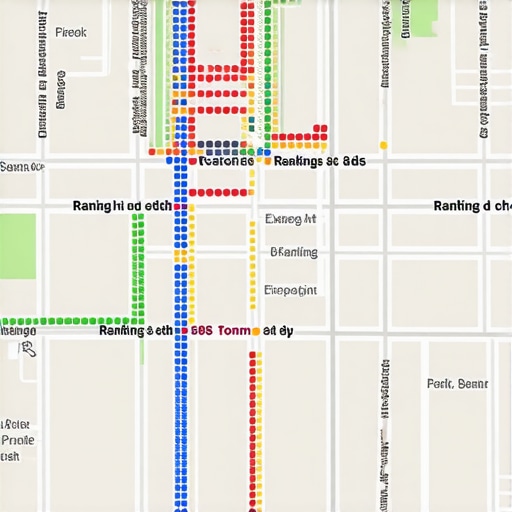
How do I know if my data is actually real?
You have to look for the rank tracker setup that shows real neighborhood proximity. If you aren’t seeing a visualized grid of at least 13×13 points across your service area, you are missing the ‘dead zones’ where your competitors are currently eating your lunch. A recent industry study by Whitespark highlighted that proximity remains the most volatile ranking factor; you might rank well in theory, but if your map pin is even slightly misplaced, your maps analytics will show high impressions but zero actual phone calls.
Why Speed Matters More Than a Perfect Star Rating
Everyone chases the five-star dragon, but the algorithm is getting much more sophisticated than just a simple math equation. It values engagement, recency, and interaction speed over a static high score. In my own testing, I have noticed that why your review average matters less than your response speed is becoming the new gold standard for staying in the local 3-pack. If you take three days to reply to a customer compliment, Google interprets that as a stagnant or unresponsive business. I always suggest using review management tools that transform customer feedback into revenue to automate those initial touchpoints and keep your ‘freshness’ signal high.
Identify the Data Gap Between Rankings and Revenue
If your software shows you are ranking higher than ever but your phone is staying silent, you have a ‘leak’ in your local funnel. You need to dive deeper into the hidden map analytics metric that shows where your leads live. This isn’t just about clicks; it is about the ‘Search Breakdown’ that reveals if people are finding you by your specific brand name or by the general services you provide. If you are only being found by people who already know your name, you don’t actually have an SEO strategy—you just have a brand. You must learn how to spot the tracking flaws in your weekly ranking reports to ensure you are measuring actual market expansion, not just vanity metrics. Have you ever fallen into this trap of cheering for ‘green’ arrows while your actual sales stayed the same? Let me know in the comments.
Keep the Saboteurs Away From Your Citations
I have learned the hard way that local rankings are rented, not owned. You can’t just set it and forget it because data is constantly shifting. Aggregators pull from old databases, and competitors might even suggest ‘edits’ to your profile to nudge you out of the way. This is why I rely on a citation monitor that does more than just scan for NAP (Name, Address, Phone) consistency. I need something that alerts me the second a data scraper tries to overwrite my verified info. I once had a competitor successfully change my ‘Business Hours’ to ‘Closed’ on a Friday night through a community edit; if I hadn’t used the citation monitor setting that catches profile hijacks, I would have lost thousands in weekend walk-ins.
Watch Out for Seasonal Traffic Shifts
Long-term success requires you to stop looking at daily fluctuations and start spotting seasonal trends. Using maps analytics to track seasonal foot traffic is how I determine if a dip in calls is a ‘me’ problem or a market-wide trend. If your rank tracker shows you are still at the top but your leads are down, it usually means the search intent has shifted or your customers are on vacation. I always cross-reference my ranking data with real-world activity to ensure I am not chasing ghosts in the machine. 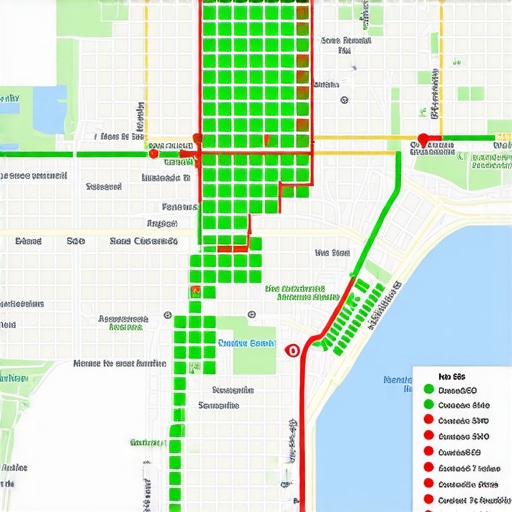
How do I keep these rankings alive for years?
The secret is constant activity, but not the kind that feels like a chore. You need to maintain a ‘freshness’ signal. Google’s own documentation on ‘How to improve your local ranking’ explicitly states that prominence is based on information that Google has about a business from across the web. This means you need a steady stream of new reviews, photo updates, and consistent maps analytics monitoring. I personally set a calendar invite once a month to swap out my primary cover photo. I’ve found that the specific photo labeling tweak that boosts map impressions keeps the algorithm interested in my profile even when I am not running active ad campaigns.
Tools That Actually Do the Heavy Lifting
If you are scaling to multiple locations, stop using spreadsheets. It is a recipe for data corruption. You need robust local SEO software that can push updates to all your branches simultaneously. I prefer tools that integrate directly with review management tools, so I can see the correlation between a 5-star review in one neighborhood and a ranking jump in that specific grid point. Looking forward, I predict the ‘proximity’ factor will become even more aggressive as AI-driven search tries to predict a user’s walking path. You must lock in your physical signals now. I challenge you to go into your profile today and implement just one specific photo labeling tweak—you’ll be surprised how quickly the ‘Impressions’ graph starts to climb.
What I Learned After Hundreds of Proximity Glitches
Reflecting on my journey, the biggest takeaway wasn’t a technical hack, but a fundamental shift in perspective. I finally understood the data gap why your rankings are up but calls are down, realizing that a #1 spot means nothing if it is only for searchers sitting in your own parking lot. Here are a few lightbulb moments I keep in my back pocket: Proximity is your local reality, meaning your business exists in a physical space, and your rankings should reflect that block-by-block movement. Furthermore, Reporting transparency is vital; I learned why your local ranking reports feel like they are lying to you when they rely on broad IP data instead of hyper-local coordinates. Finally, remember that software is your assistant, not the pilot. You need tools that give you insights you can actually act on, not just more tabs to close.
A Toolkit Built for Actual Growth
If you are ready to stop guessing and start growing, you need a digital setup that accounts for the nuances of the modern map pack. I always suggest business owners unlock the power of local seo software for small business growth by choosing platforms that prioritize real-time updates over monthly PDFs. #IMAGE_PLACEHOLDER_E# My personal must-haves include a rank tracker setup that shows real neighborhood proximity and a robust review management system to keep your engagement signals high. These aren’t just extra business expenses; they are the essential infrastructure of your digital storefront. Without them, you are essentially flying blind in a very crowded market.
The Future of Your Local Search Dominance
Local SEO can feel like a moving target, but the core principles of accuracy, speed, and proximity remain constant. Don’t let the technical jargon or complex algorithms intimidate you. By focusing on a reliable rank tracker and maintaining a clean citation monitor, you are already miles ahead of the competitors who are still relying on old-school directory tactics. The goal isn’t just to be seen—it is to be the obvious, most trusted choice for your neighbors. It is time to stop being a ghost on the map and start being the local authority your community is looking for. Have you ever noticed your rankings change drastically just by crossing the street into a different neighborhood? Let me know below.